Frequently Asked Questions
What are processed foods?
How often should I work out?
How often should I work out?
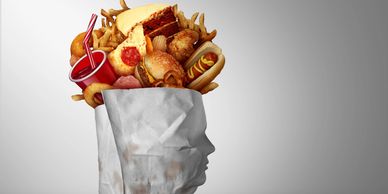
Direct from Harvard University, "processed food refers to any food that has been altered from its original state through methods such as washing, cooking, canning, or freezing. This includes a wide range of foods, from minimally processed items like cut vegetables to ultra-processed products that contain additives and preservatives."
To avoid processed food completely would be extremely difficult, but if we have to choose, minimally processed foods would be better. These are items such as packaged fresh fruit and vegetables, canned beans and milk, for example. Ultra processed foods are those that are loaded with preservatives, added sugar and salt. and artificial flavors. Examples include dried cured meats (ie. salami), boxed cereal, sugary drinks, packages cookies and chips. Consuming ultra processed foods on a regular basis contributes to higher health risks to include some types of cancer, heart disease, obesity, diabetes, high blood pressure and cholesterol, to name a few.
Fore more about processed foods, check out this piece from the Mayo Clinic.
How often should I work out?
How often should I work out?
How often should I work out?
Remember 150!
This is the minimum number of minutes of exercise and non-exercise-specific activity you should get each week. Add it up: A training session, which is structured exercise (X min) + other non-exercise activity, such as cleaning, walking your dog, playing pickleball, doing yard work etc. Does it come out to 150 or more? If not, step things up. Keep in mind that when we stay sedentary for too long it saps our energy, which increases the chance that we'll continue to do nothing because we're too tired! Take charge of your body for good health. Stretched for time? Ten minutes here, ten minutes there, is better than nothing. We know life happens and busy schedules prevail, however, so do what you can but do something! What you do, how often you do it sets a great example for children and grandchildren, too, so show 'em what you got. For more on this topic,
click HERE.
**
"When I arrived for my training session I was (tired / stressed / not feeling well...). I almost canceled, but am so glad I didn't! After my workout I felt so much better!"
(numerous clients)
Do carbs make you fat?
How often should I work out?
Can you explain metabolism? I hate mine!
Potentially. Let me explain.
Carbs are what fuel our body.
When we eat carbohydrates the body breaks them down into glucose, which is used for energy. This energy is what fuels our bodies. Glucose is the main source of energy for our brain and nervous system, too. Carbs absorb into our system quicker than protein or fiber, so it's easy to eat more of them before we feel full. Excess carbs are stored as fat if we do not burn those calories associated with carbs, thus the bad reputation carbs have for 'making me fat.'. This is a very simplistic version of how the body manages carbs, but you get the idea. Be reasonable in how much you consume (energy in) and how often you exercise (energy out) to keep a good balance.
**
For more on carbs, check out this article from the Mayo Clinic. Click HERE .
Can you explain metabolism? I hate mine!
How do I know if what I'm reading is a credible source of information?
Can you explain metabolism? I hate mine!
Metabolism = Energy balance
Metabolism is all the chemical reactions that take place in the body in order to maintain itself, and that's not an easy task! Metabolism is intimately involved in all things associated with our body weight and body fat regulation. It's all about energy in (food consumed) and energy out, which is achieved through a variety of ways from scheduled exercise (see you at the gym!) to other daily activities like walking the dog, playing with your kids/grandkids, shopping, cleaning, yard work, and even eating and digesting the food we eat. Not to get too technical here, but another way of saying this is metabolism is all about energy balance; the relationship between what energy is taken in and how much energy is going out. Weight change is a function of energy balance. Just know that you are unique and no two people's metabolism is the same. Stop comparing yourself to others!! Love yourself, keep moving, and make good nutritional choices. For more on metabolism from the Mayo Clinic, click HERE.
I was told that fruit has sugar so I better not eat it. Is this true?
How do I know if what I'm reading is a credible source of information?
How do I know if what I'm reading is a credible source of information?
If someone tells you not to eat a piece of fruit, run the other way! Fruit is loaded with important nutrients for our body. Yes, some fruit has more sugar than others, but the sugar found in fresh fruit is natural sugar called fructose. This is not the same as sucrose, which is added sugar found in many canned or packaged products, desserts. fruit juices etc. Fresh will always come out on top for the best way to consume fruit. Loaded with vitamins, minerals and fiber (eat the skin!), fresh fruit is a wonderful thing for our skin, eyes, brain, digestive system. The list is long. Eating fruit doesn't have to be just by itself if you are finicky. Give your salads, yogurt, cottage cheese, main dishes some added color and flavor by adding berries, apple or pear slices, for example. As with all things food, balance is key. Too much of anything can have side effects.
*
Diabetic, pre-diabetic? Absolutely, you should manage and watch the amount of sugar you consume, but just know the difference. Low blood sugar? Reach for a piece of fruit instead of a cookie or doughnut. By all means, however, do discuss concerns or questions you may have about sugar or your nutrition with your primary care provider. For more on sugars from Harvard Health click HERE.
How do I know if what I'm reading is a credible source of information?
How do I know if what I'm reading is a credible source of information?
How do I know if what I'm reading is a credible source of information?
Great question!
Given the plethora of options to find information about any topic, it's no wonder we are skeptical about what's fact or fiction. Here are a few simple rules of thumb:
When reading an article on food, nutrition, health, etc. check to see if the piece has been medically reviewed by a professional, such as an MD or RD (registered dietician). The article will routinely show that at the top of the page under the byline or to the right at the top of the page. Sometimes there will be a short bio of the author at the bottom of the article. Even if the person writing the article is not the pro, however, be sure that any quotes or references in the piece are associated with a professional. For example, in an article the author quotes someone. Be sure that quote is from the expert.
Taking the word from someone famous (i.e. your favorite rock star or actor), is risky at best, unless they, too, are certified in the health field. Check out my Resources page for credible sites where you can search to[ics of interest to learn more.
Does a pound of muscle weight more than a pound fat?
What's the difference between prebiotics and probiotics?
What's the difference between prebiotics and probiotics?

No! A pound is a pound no matter what you have. A pound of apples is no heavier than a pound of Jell-O. It just looks and feels different. One is firm, the other is soft. Similar to how muscle and fat look on our bodies. Muscle is lean and more dense so it gives a firmer, more toned appearance. Fat gives a softer appearance. Muscles use more energy than fat and burn more calories, keeping our metabolism revved up. Thus, the importance of strength training to keep our muscles in check, for a fitter appearance overall. Remember, you are unique, so do not compare yourself to others. Be the best version of you.
For more insight, check out this article from Health.com .
What's the difference between prebiotics and probiotics?
What's the difference between prebiotics and probiotics?
What's the difference between prebiotics and probiotics?

A probiotic is a food supplement that improves the good bacteria in our body that aids with our digestive health. Probiotic foods include yogurt, kefir, fermented veggies (kimchi), sauerkraut, miso, and tempeh, for example.
Prebiotic foods also support our digestion because they are foods high in fiber and act as food for the gut bacteria. Prebiotic foods include garlic, onions, asparagus, artichokes, whole grains (oats, barley), bananas, apples, nuts and seeds, to name a few. For more about prebiotics and probiotics, here's a good piece from Healthline.